Wood is an extremely noble and elegant material that we love to have in our homes and gardens. Thanks to its many benefits, wood allows us to enjoy its structure and beauty for a long time. Very often, when choosing wood, be it floorboards, furniture, decorations or garden structures, we can be sure that it will remain with us for many years. This way we avoid not only frequent repairs, but also additional costs associated with changing the interior. However, in order to fully realize the full potential of wood, proper care and impregnation are necessary. Only thanks to them we can be sure that this material will not be damaged and will remain with us for many years.
Wood preservation - what is it and why is it so important?
Wood is exposed to numerous external influences. These include primarily the passage of time, as well as problems associated with weather, pests and mechanical damage during use. Atmospheric conditions have the most destructive impact on the condition of wood. Such as water, moisture, temperature and solar radiation. Excess moisture can lead to waterlogging and swelling of the wood, which will lead to a change in its structure. However, when humidity levels suddenly drop, the wood quickly contracts, causing the material to warp and form numerous cracks along the natural grain. UV radiation also has an adverse effect on the condition of wood. Although, unlike moisture, it does not affect the internal structure of the material. But it effectively destroys its surface. No less dangerous for wood is the action of fungi and mold, which can quickly lead to the decomposition of this material. The same applies to insects that attack and destroy wood from the inside.
So how to protect wood from harmful factors? Effective
impregnation of wood and protection from moisture will be of decisive importance. To do this, you should use appropriate substances and means that, thanks to the substances they contain, allow you to effectively care for wood and its surface. The impregnation itself makes it difficult for water to penetrate deep into the wood, protects against fire, and prevents the development of mold, fungi and insects. In addition, this process slows down aging and emphasizes the texture of the wood. Two types of wood impregnation can be distinguished:
- Surface impregnation, which involves external impregnation of wood by painting or spraying.
- Deep impregnation by vacuum-pressure or non-pressure method.
What to choose for effective wood impregnation?
The treatment we choose to protect wood depends on whether it is located indoors or outdoors. Impregnations can be divided into water-soluble and solvent-based preparations. The former are usually used to protect wood inside a house or apartment. Because, despite excellent protective properties, they have poor resistance to washing. However, solvent-based impregnations are much more resistant to external factors, so they are more often used to protect furniture and garden buildings. There are also special impregnations on the market that have protective properties against very specific threats. So we can distinguish:
- Fire retardant impregnations that make it difficult to ignite wood and prevent the spread of flame.
- Waterproofing impregnations that effectively maintain protection against moisture and water penetration into wood.
- Biological protection impregnations that prevent the penetration of bacteria, mold, insects and fungi into the internal structure of wood.
- Therapeutic impregnations used as temporary protection when wood is damaged by insects, fungi or mold.
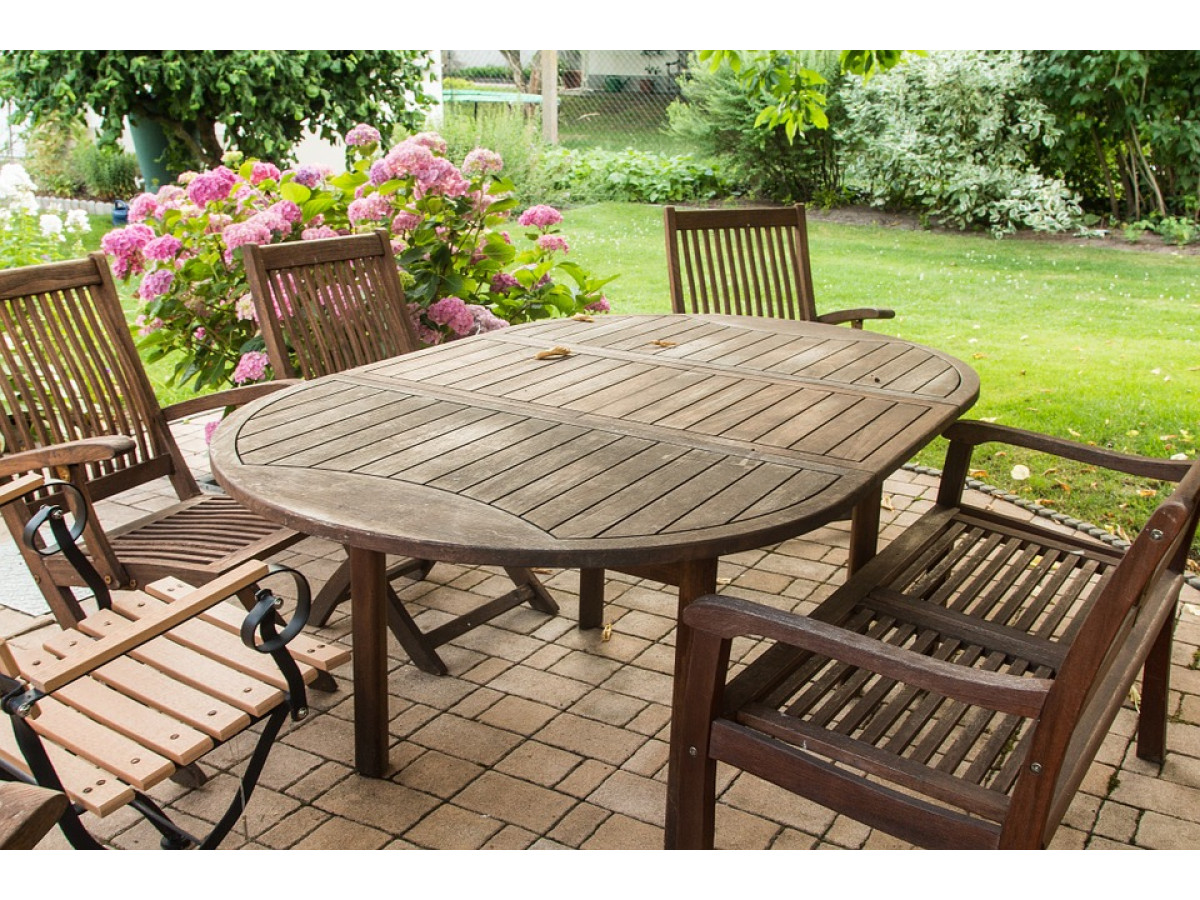
Wood impregnations are most often made on the basis of linseed oil or wax. Oil-based impregnations are used to care for garden furniture and terraces, i.e. surfaces exposed to direct contact with unfavorable and harmful atmospheric factors. Oil-based impregnations give wood a fresh look. However, wax-based impregnations effectively protect wood from moisture and sun. Thanks to their properties, wax impregnations make the material more flexible, preventing cracking and chipping.
Additional methods of wood impregnation
In addition to coating wood with a stain, we can use several other methods to protect this material from harmful factors, including weather conditions, insects, mold and mildew.
- Vacquering - protects wood from mechanical damage that may occur during operation. This includes, for example, abrasion of wood and any scratches. Vacquering can also protect the surface of the material from water and sunlight. The disadvantage of this type of protection is that varnishing must be repeated at fairly short intervals, even once every year or two.
- Painting with enamel - enamel is an effective protective layer that protects a wooden surface for up to 8 years. This type of protection is most often used to cover wooden facades. However, enamel also requires the use of colorless impregnation for more effective protection. It is also moderately resistant to mechanical damage.
- Stain is a method that allows you to penetrate into the deep layers of wood and give it color. It allows you to preserve the material for up to 4 years, but, unfortunately, is not a very effective protection against the development of mold or fungi.
- Glaze - allows you to create a durable coating on the surface of the wood that protects the wood for up to 8 years. A preparation that protects wood from weather conditions, fungi, mold and insects.