Warmth, a pleasant smell, a relaxing atmosphere are just a small part of what we remember when we think of a sauna. But have you ever wondered what contributes to creating that special atmosphere? Answer: Wood is the main material used to build a sauna, which affects how it looks, smells and feels when you use it. Choosing the right wood is a key step when planning and building your own Finnish sauna. The purpose of this article is to provide you with complete knowledge about the different types of wood that can be used to build a sauna. We will focus on various aspects such as interior wall cladding, benches and floors and help you understand which wood is best suited for each of these elements. We'll look at different types of wood, such as pine, thermopine, alder, thermoalder, aspen, thermoasen, linden, cedar, fir, spruce and abacha. Each has its own unique properties that affect their appearance, smell, durability and reaction to moisture and sweat. So, if you are a sauna lover, planning to build your own sauna, or own a construction company, this article for you.
Why is the choice of wood important?
Wood, which has been an integral element of the sauna for thousands of years, thanks to its unique properties - moisture absorption, thermal insulation, pleasant smell and beautiful appearance - plays a key role in creating the atmosphere. The right choice, depending on many factors, can create a cozy and relaxing atmosphere, but the wrong choice of wood can ruin the entire sauna experience.- The first step is to understand that you can't use every type of wood in a sauna. Some woods are considered the best for building saunas, such as abacha, Canadian cedar, sycamore, mahogany, New Zealand pine, mahogany and golden cedar, but due to their cost and availability, they are not always a practical choice.
- In Scandinavia, the birthplace of the Finnish sauna, wood species often used include Nordic spruce, fir, knotless pine, alder and aspen. They are easily available, relatively inexpensive and work well in saunas.
- Wood for a sauna should not contain a large amount of resins and knots, since as a result of high temperatures in the sauna, resin bubbles open and the resin comes out onto the surface of the skin.
- Therefore, when choosing wood, you should not be guided solely by price. Cheap wood such as spruce may seem attractive due to the price, but after a few years it can look very unsightly. It is therefore important to make an informed choice, taking into account both price and quality.
Interior wall cladding
Covering board plays a key role in the sauna. This affects the ambiance, appearance and functionality of the sauna. Choosing the right wood is critical - the material must be resistant to high temperatures and moisture, and should not become overheated. It is important not to choose the standard paneling available in regular hardware stores, as it is not designed to withstand the harsh conditions of a sauna.- Pine is an economical choice due to its affordability and vibrant colors. However, it tends to bleed resin, which can be problematic, and its durability is not the best. An alternative is thermopine, which is more durable and does not emit resin.
- Alder and thermoalder are wood species of darker shades. They have a delicate aroma and are resistant to moisture. Aspen and thermoaspen are light wood species with a delicate aroma. However, it is worth remembering that traces of sweat may remain on aspen.
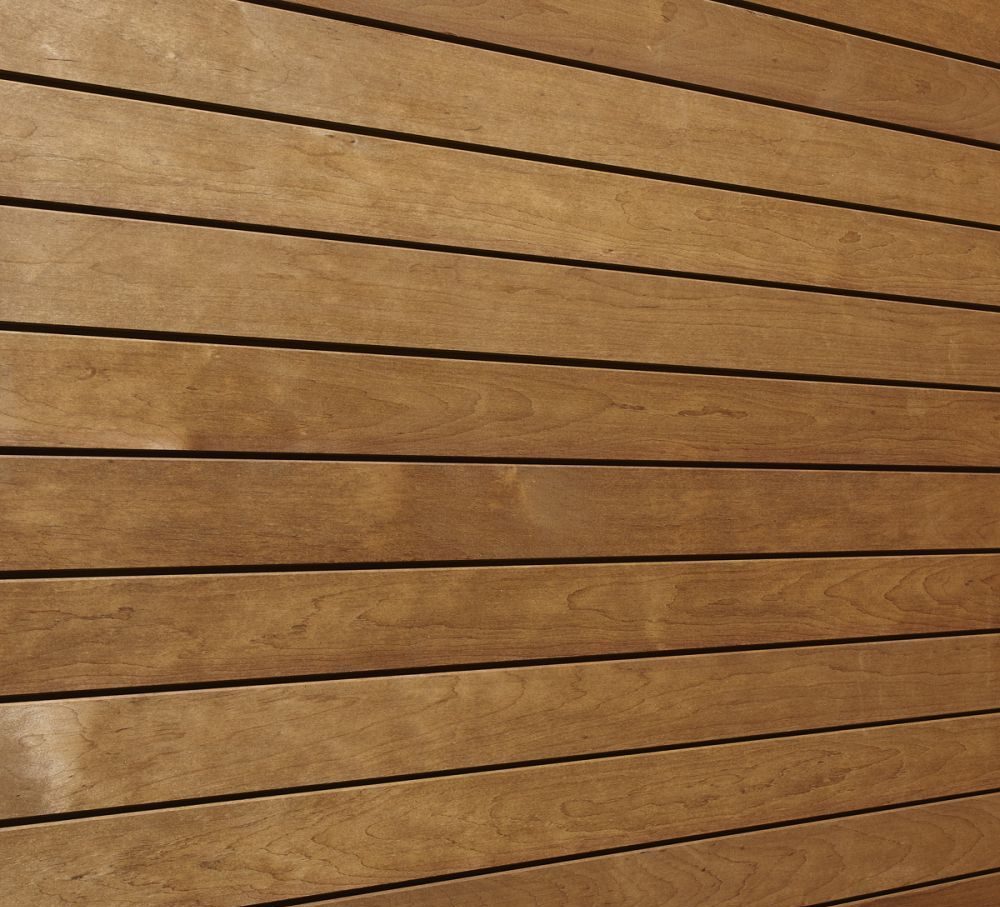
- Linden is a light wood with a neutral odor, exceptionally soft to the touch and pleasant to the skin. It is an excellent choice for both walls and benches in the sauna.
- Cedar is a more expensive choice, but it adds an exotic touch to the sauna interior. Its intense, relaxing aroma and natural resistance to moisture make it an excellent material for wall cladding.
- Fir and spruce are also often used in saunas due to their beautiful appearance, durability and availability.
- Abacha is an African wood with a neutral odor, which is especially valued for its low thermal conductivity.
Choosing wood for benches in the sauna
Choosing the right wood for making sauna benches is a key task. Not only aesthetics are important - we must also remember the physical properties of the wood. The high temperature and humidity in the sauna place special demands on the material from which the benches are made.- The most important feature to look for is the wood's resistance to high temperatures. Wood that tolerates heat well will not get very hot, which is critical to the comfort of sauna use. We wouldn't want to sit on a hot seat.
- Another important feature is resistance to moisture. A sauna is a high humidity environment, and the sweat of users can also affect the wood. It is good to choose a material that does not yellow or lose its properties when exposed to moisture.
- Last but not least is the strength and durability of the wood. Sauna benches must be able to support the weight of users and not be damaged by heavy use.
Choosing wood for the sauna floor
The choice of wood for a sauna floor is important because the floor is exposed to intense moisture and heat. It must support the weight of users and provide safety due to its anti-slip properties. When comparing different types of wood that are ideal for floor boards, you can pay attention to pine, oak and cedar.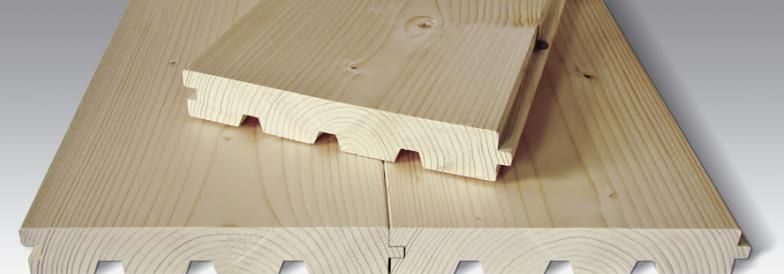
- Pine is light and flexible, which makes it easy to use. Its light shades add brightness and spaciousness to the interior.
- Oak is highly hard and durable, making it ideal for saunas with intensive use. It also has a beautiful, expressive pattern that adds elegance to the interior.
- Cedar is the choice of exotic lovers. It has a characteristic intense smell and is extremely resistant to moisture.