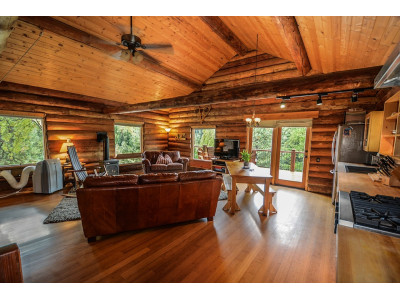
There are different situations when it is necessary to secure a wooden beam to the wall. This is necessary for insulation, cladding, when it is necessary to secure household appliances, shelves, furniture...
How to attach beam to the wall depends on the thickness of the wall and the material from which it is made, the load, and at what angle it needs to be attached.
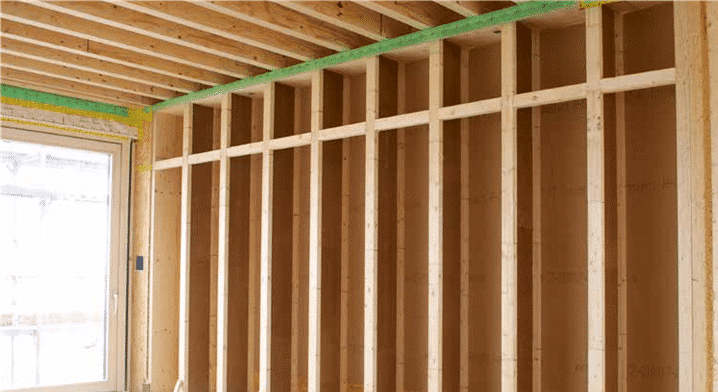
How to attach timber to a wall made of different materials
- If the wall is made of concrete, then first drill holes for fasteners in the beam. The distance between them depends on the size (the thicker the timber, the smaller the distance), on the planned load and on the quality of the fasteners. For concrete, special dowels up to 8x120mm in size are used. Next, we mark it on the wall accordingly and drill holes in the concrete using a carbide drill. If you use screws instead of dowels, then a wooden plug, pre-lubricated with synthetic glue, is driven into the hole. Sometimes a lead plug is used, which is a strip of lead rolled into a roll. An extension is made with a nail in the center, into which a screw is screwed.
- In a wall made of brick you need to drill holes very carefully, since brick is a fragile material. The frequency of fastening should be commensurate with the planned load. Here they use different types of dowels or anchor bolts.
- You can attach small beams to a wall made of aerated concrete using wedge-shaped bolts or self-tapping screws. For heavy loads, it is better to use dowels.
- Beams are most often nailed to awooden wall. There are some peculiarities here. It is necessary to select nails of the required length (not less than the thickness of the timber). Overdried wood can split, so pre-drill a hole. The nail will be flush with the wood if you make a recess under the head with a drill. For greater fastening strength, nails are driven in at different angles.
- How to attach timber to a plasterboard wall when it is so fragile? Nails and screws will not work in this case. It is best to lay timber in the place where you plan to install the hanging parts before installing the drywall. Then it can be fastened with self-tapping screws to the laid beam through the drywall. In addition, anchor-type plasterboard fastenings - made of nylon or metal - are suitable.

How to attach the beam to the wall at the end
When installing a load-bearing or decorative ceiling, the beam is attached to the wall with its end side.
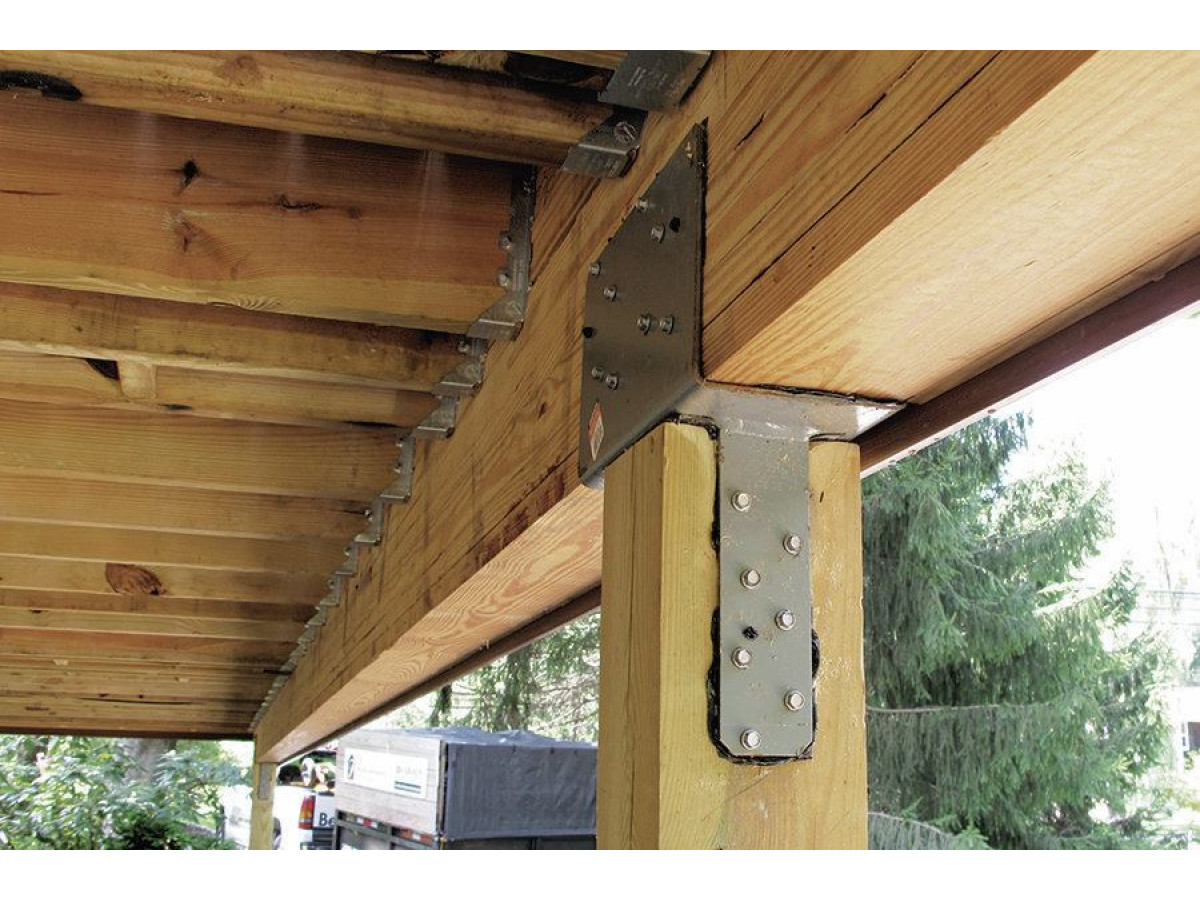
- If the timber will not bear a large load during operation, use corners or U-shaped brackets made of metal. These devices are attached to the wall with self-tapping screws or dowels, and to the timber with screws.
- When a large load is expected (ceiling, floor), the fastening must be reliable. To do this, timber is laid in niches in the wall to a depth of at least 160 mm. Its end is cut at an angle of 60 degrees and treated with an antiseptic. The niche and ends of the beam are covered with waterproofing material. A gap of about 40 mm is left between the timber and the walls. Next, the niche is filled with concrete. Additional fixation with an anchor can provide rigidity.
- The most reliable way is to install the timber into the wall during laying. The timber that is walled up is treated with an antiseptic and covered with waterproofing. On walls made of brick or aerated concrete, a concrete belt must be created on which the timber is installed.
If you follow the recommendations, the design will last a long time and reliably.