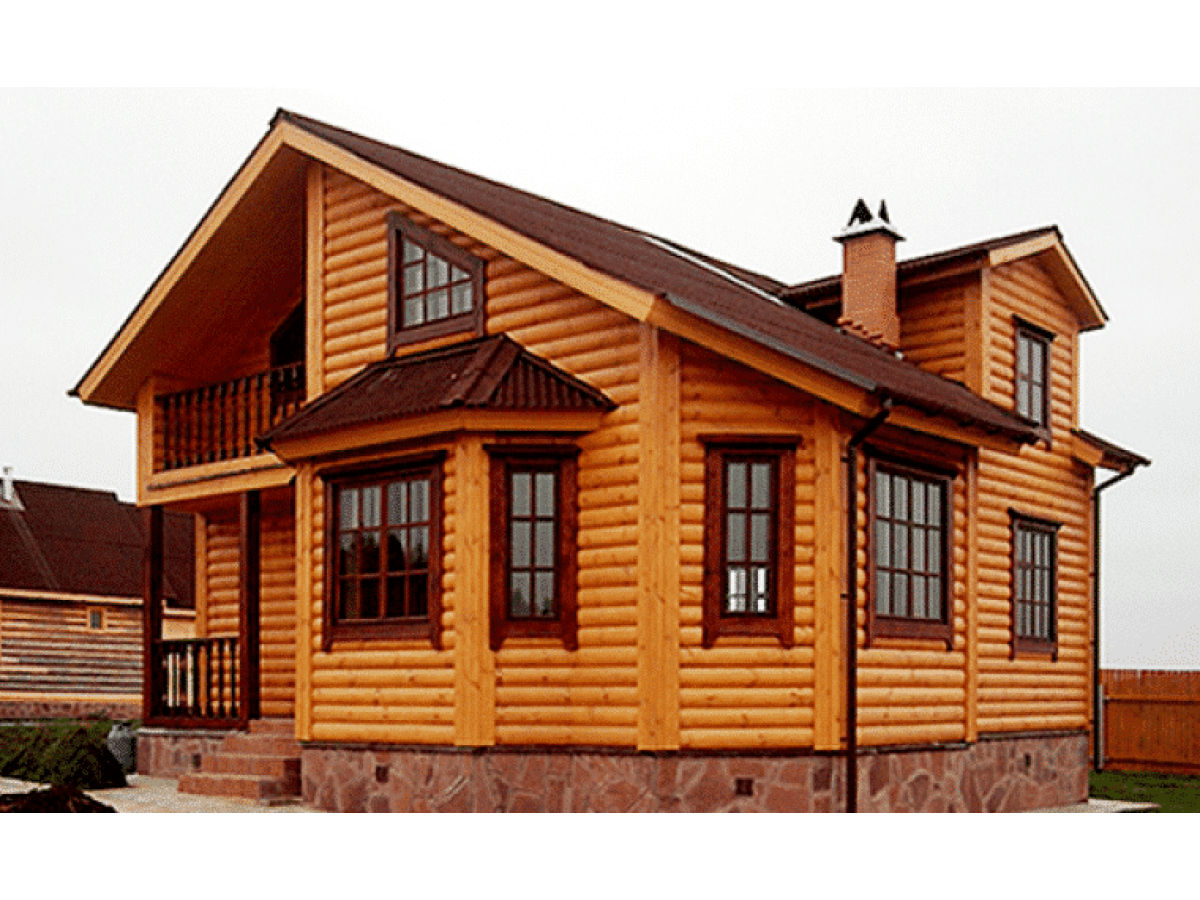
Отделочный материал блок хаус используется для внутренней и внешней облицовки домов. Широкое применение объясняется его практичностью и высокой декоративностью. Он может быть изготовлен из оцинкованного металла, пластика или натурального дерева и от этого зависит как правильно монтировать блок хаус.
Подготовка к монтажу
Независимо от материала, из которого сделана облицовка, необходимо произвести подготовительные работы.
- Блок хаус крепится на обрешетку, поэтому прежде всего необходимо очистить от грязи и выровнять стены, на которых она будет фиксироваться. Не помешает обработать брус обрешетки антисептиком. Если облицовывается деревянная поверхность, то обработка антисептиком обязательна.
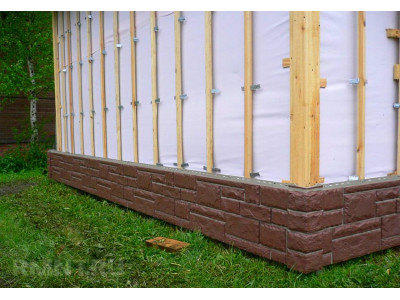
- Особенно ответственно отнеситесь к установке обрешетки, которая делается из деревянного бруса или из металлического профиля. Она должна быть строго вертикальной. Но прежде на стены крепится паробарьер с нахлестом 12-15 см. Шаг и толщина бруса обрешетки определяется параметрами утеплителя. Обычно это 50-65 см. Утеплитель должен плотно ложиться между брусом и не выступать за обрешетку.
- Поверх утеплителя степлером крепится ветрозащитная пленка. Далее на брус набиваются рейки толщиной 30-50 см для создания вентиляционного зазора. Если стены не утепляются, то материал крепится прямо на обрешетку.
- Блок хаус на несколько дней необходимо поместить в те условия, где он будет монтироваться, чтобы материал набрал влажность и температуру и не деформировался в дальнейшем.
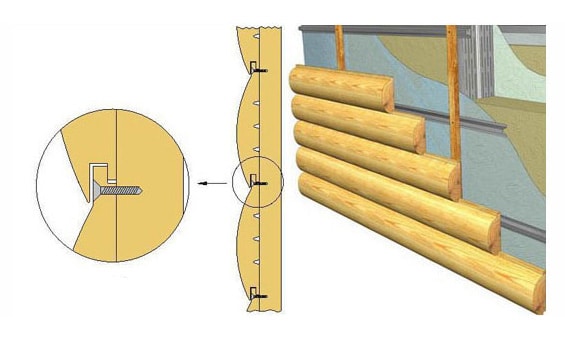
Как монтировать блок хаус из дерева
- Если планируется покраска блок хауса, то сначала, еще до монтажа, необходимо покрасить шипы и пазы досок. В таком случае пропусков не будет.
- Панели можно устанавливать сверху вниз, так и снизу вверх, при этом доски устанавливают шипом вверх для избежания скапливания влаги в пазах. Сам крепеж производится несколькими способами: при помощи специальных скоб (кляймеров), потайным креплением саморезами, креплением насквозь и при помощи клея.
- Кляймеры чаще всего используют при монтаже узких досок. В этом случае крепление начинают сверху. В паз панели вставляют одну часть скобы, а другую прикручивают к обрешетке саморезами.
- Широкие доски крепят саморезами. Во внутренней стороне паза или в шипе предварительно просверливают отверстия, через которые прикручивают блок хаус к обрешетке саморезами под углом 45 %. Следующая доска вставляется шипом в паз, накрывая саморез.
- При креплении насквозь, предварительно в панелях сверлятся отверстия для саморезов таким образом, чтобы шляпка полностью была утоплена. Блок прикручивают к обрешетке двумя саморезами: возле паза и возле шипа. Отверстия закрывают декоративными пробками.
- Относительно просто крепить панели на жидкие гвозди или другой клей для дерева, но при этом пропадает возможность замены доски.
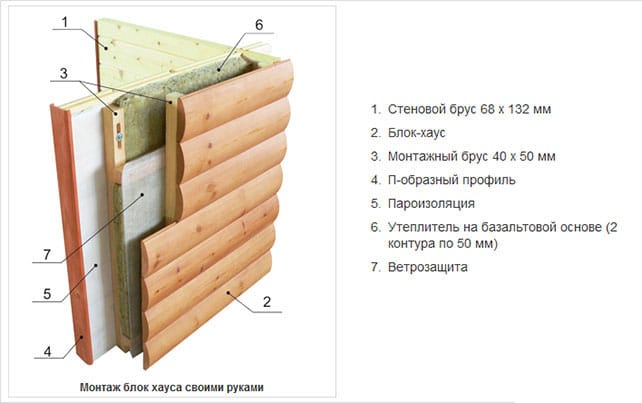
Как монтировать блок хаус из металла или винила
Монтаж винилового или металлического блок хауса имеет некоторые особенности.
- Он осуществляется на металлическую обрешетку, а соединительные планки крепятся не после монтажа панелей, а перед установкой облицовки.
- Кроме этого, необходим набор дополнительных элементов. Таких как начальная и финишная планки, наружный и внутренний углы и другие. Н
- екоторые производители производят специальный крепежный профиль, который крепится на обрешетку.
- Панели крепят саморезами не плотно, чтобы исключить деформацию при перепаде температур. Необходимо оставлять зазоры между соединительными планками и панелями.
Правильно смонтированный блок хаус не утратит своей декоративности долгие годы.