Wooden flooring is a natural, warm floor with positive energy and a unique texture in any light.
Choosing the type of wood for the floorboard
Taking into account the characteristics of the wood, you can decide which floorboard to choose. Different types of wood are used to make floorboards: oak, ash, birch, alder, larch, spruce and pine. Their wood differs in moisture resistance, resistance to rotting, density, and strength.
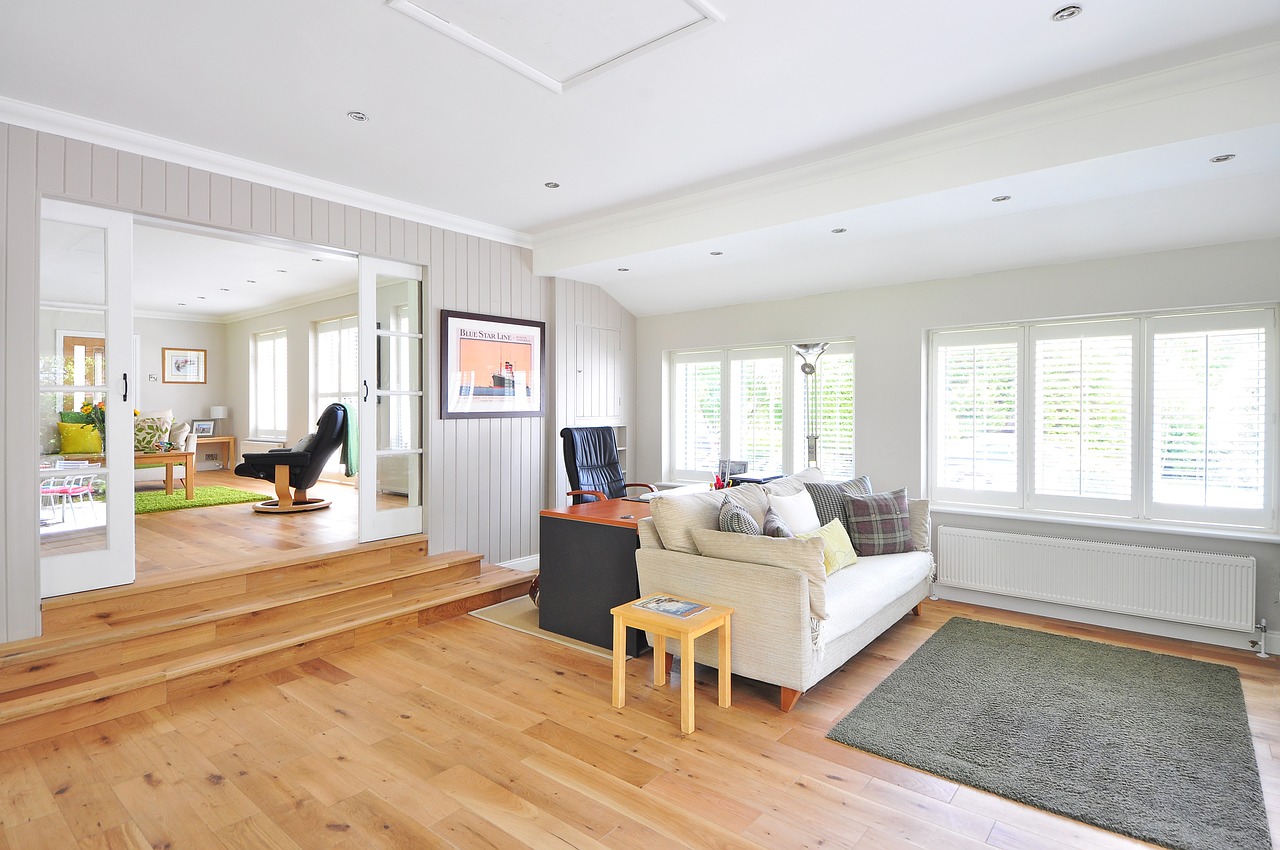
A durable floorboard is made from oak and ash, which one to choose?
- Oak has wood with expressive patterns and a variety of shades. But it is heavy, difficult to work with and more expensive than many softwoods.
- Ash wood is lighter in color. The price is also not cheap.
Contrasting and pastel floorboards are produced, which one should you choose?
- Birchflooring with fine fiber veins looks very delicate. Some people cover such a floor with dark impregnations, which makes it unusual and beautiful.
- To decide what type of wood is needed for the floor in the bedroom, you need to consider that alder wood has medicinal properties and is often used for these purposes. It is not as durable as oak, but has a pleasant reddish color.
- Of the coniferous species, larch is rightfully considered the most durable and hardy. It tolerates loads well, is resistant to abrasion and rotting, and is not damaged by insects and fungi. The answer to the question of what kind of board is needed for flooring in damp rooms is clear: larch. However, its color scheme is less expressive. Larch products are heavy, which complicates installation, and are relatively expensive.
- Spruce and pine are the most common. This is an inexpensive and affordable floorboard, which one should you choose? Spruce has yellowish wood with long fibers. It is rich in phytoncides, which have a beneficial effect on health, but is softer even compared to pine. Inferior in resistance to rotting and strength.
- Medium-density pinewood, durable, rot-resistant, easy to work with and easy to install. Pine floorboards are warm yellow in different shades with pronounced annual layers and are saturated with phytoncides no less than spruce.
Floorboard parameters
For wooden floors, solid boards are used. It is made from natural wood and is a solid element without gluing or pressing. Two types of solid boards are used for the floor - edged and tongue-and-groove. What kind of board you need for the floor depends on what kind of floor you are going to make.
- Edgedhas a treated surface and smooth side edges, which are butted when laid. Over time, gaps may form between the boards. Therefore, it is most often used for installing a subfloor.
- Rabbled has locking elements on the side edges: a groove and a tenon. During installation, the tenon is inserted into the groove, which ensures a tight connection. There are practically no gaps. It is ideal for finished floors.
Humidity is important. It should not exceed 12%.
- Thickness depends on the strength of the wood (species), the distance between the lags, the width of the board and the planned load: with a larger load, thicker is needed.
- The widthcan be from 8 to 45 cm and is determined primarily by the moisture content of the wood. A wide board can only be used if it is well dried.
- The lengthof the floorboards is from 2 to 8 m. The choice depends on the size of the rooms.
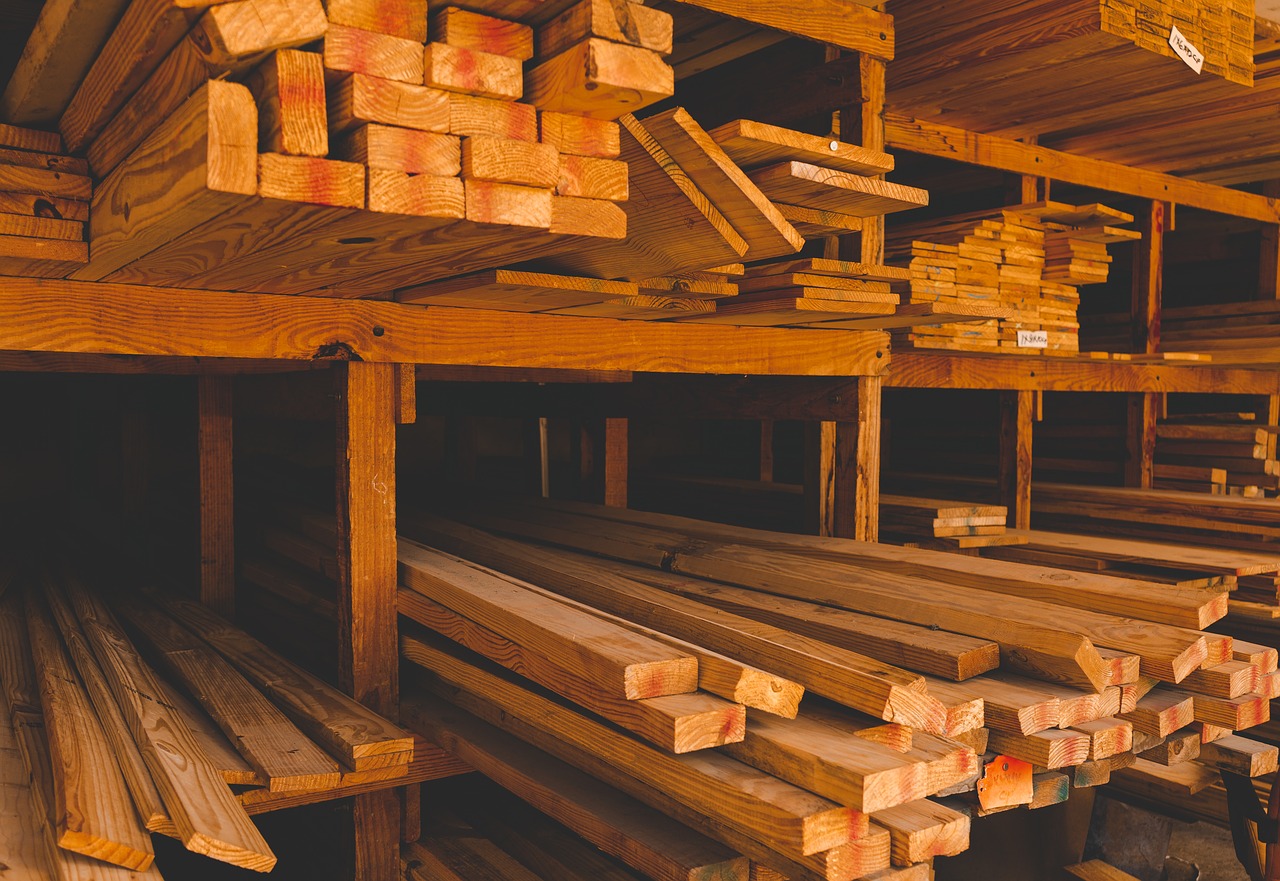
Practical tips on how to choose a floorboard
- Check for cracks and moisture (no more than 12%).
- The board should be level. To do this, you can use the 2 m long rule. If you place it on the edge of the board there should be no gap.
- The knots should be light brown and tightly held.
- There should be no sweetness and blueness.
- Check that the tongues and grooves fit together easily.
We hope that the material in the article will help answer the question: - Which floorboard to choose - and create an environmentally friendly floor that can be enjoyed for many years to come.