
For the floor, use a board made of solid wood or spliced, which is made from pieces glued together along the length. Spliced has no defects, is more durable, and resistant to changes in humidity. But it shows zigzag gluing areas soaked in synthetic glue. It is more expensive than solid wood boards. Therefore, solid wood floorboards are used much more often.
Types of floorboards
Two types are made from solid wood:
- massive
- parquet.
Which board is better for the floor?
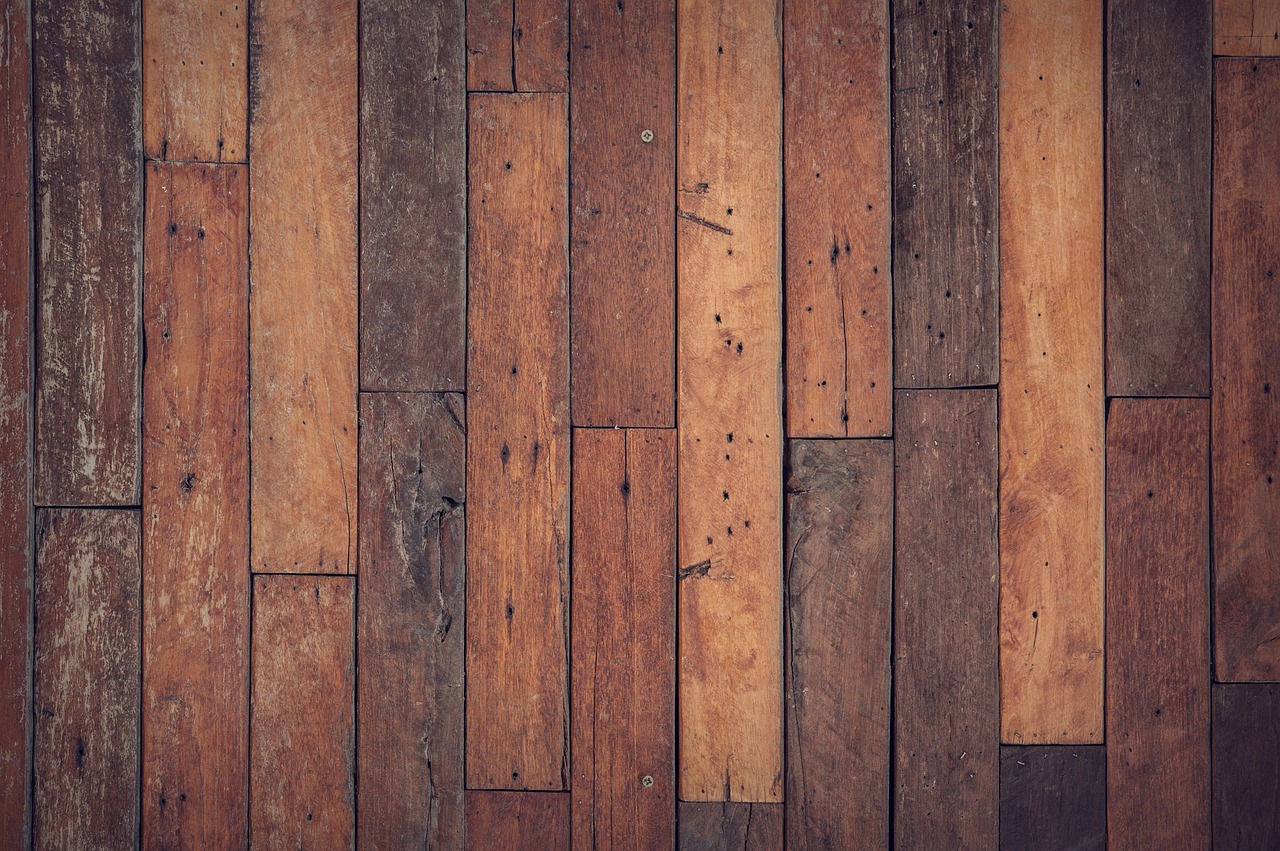
Parquet consists of three layers. Only the top layer (4 cm) is made of solid wood, which performs decorative functions. The bottom and middle ones provide moisture resistance and density. There is a large selection of parquet boards on sale at an affordable price, but more expensive than solid pine or spruce.
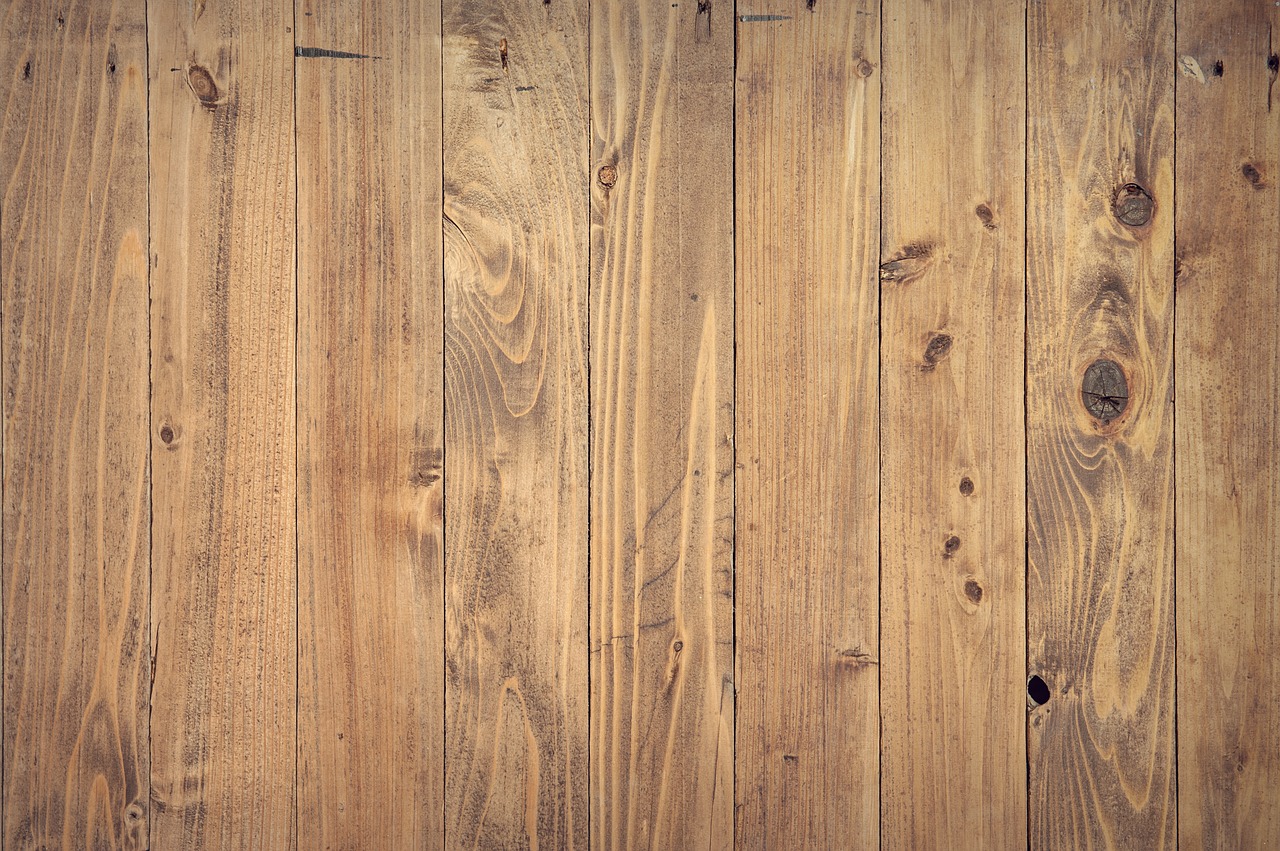
Massive is produced in two types:edged and tongue. Which floorboard is best depends on what kind of flooring you are installing. If rough, then of course trimmed. It is cheaper than tongue and groove. Any gaps that may form will be closed with the finished floor.
Edged flooring is rarely used for finished floors. This is mainly lumber from oak and larch.
The tongue and groove type has a longitudinal protrusion on one side and a groove on the other - a tongue and groove. They fit exactly to the shape and provide a tight connection without gaps. On the reverse side, several longitudinal channels are made for ventilation. This board can be mounted on a flat subfloor, plywood or concrete. A tongue and groove board is the best option for a facing floor.
Floorboard parameters
- Lumber is producedwidthfrom 8 to 25cm or more. But most often they use a width of 10-15cm. If it is not dried enough, and there are changes in temperature and humidity in the room, it may become deformed. The wider the element, the greater the deformation.
- The expected load also determines the thickness. This must be taken into account if the covering is attached to joists. Floorboards are produced with a thickness of 1.5 to 5 cm. Usually they take a board 2-3 cm thick.
- On sale you can purchase a board long up to 8 meters. But most often from 2 to 4.5 m. Ideally, you need to use a whole element for the entire length or width of the room. Then there will be no unnecessary joints and you will spend less time on installation.
Humidity is an important quality indicator. It should not exceed 12%. Some manufacturers achieve 9% or less.
What type of wood is the best floorboard
Oak, ash, maple, alder, beech, birch, larch, fir, spruce, pine. This is not a complete list of wood species that are used for production.
The specifics of use determine which board is best for the floor.
- Oak and ashare hardwoods and can withstand heavy loads. They are distinguished by their strength and durability.
- Maple, beech, birch are species of medium hardness and strength, but have a beautiful texture and color. Alder has healing properties, so it is used for flooring in bedrooms and children's rooms.
- In rooms with high humidity, use larch. It is durable and resistant to rotting.
- Spruce, fir, pine are relatively soft species and require varnish treatment. They have a pleasant wood texture in light shades. Their main advantage is accessibility and low price.
Based on the above, you can decide which floorboard is best for each specific room.