.Vacquering stairs - learn practical advice from professionals. What steps should be taken before varnishing? What should you pay attention to when choosing varnish for stairs and how to apply it? Experts explain step by step.
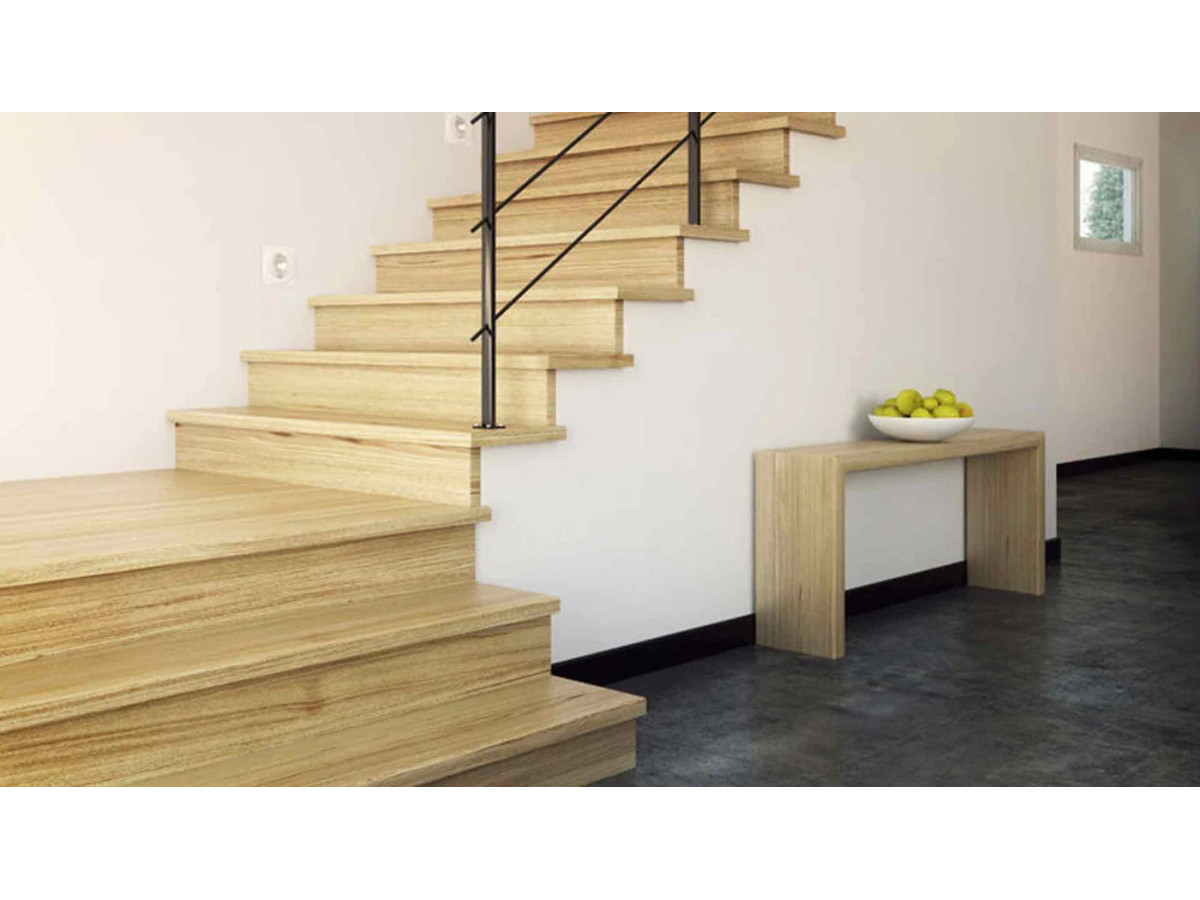
A wooden staircase is a practical design, but we also value it for its aesthetic value. Wooden steps in a hallway or even a living room or bedroom attract attention and become a motif that organizes the interior design around them. Therefore, we must not forget about some systematic renovation procedures that will keep the wood in technically sound and visually flawless condition. The main ones include varnishing stairs.
Vacquering of a wooden staircase: why is it so important?
Coating a wooden staircase with varnish is one of the procedures that will make wooden surfaces an undeniable decoration of the room for many years. Why can't we skip this type of renovation work? This is due, among other things, to the specifics of the material, which is wood, and the use of the structure itself. Wood is a durable material that can withstand many elements if we protect it properly. Without proper protection, it will absorb moisture from the environment and wear out much more easily, especially when it comes to wooden stairs. The way the ladder is used - high pressure, frequent ascents and descents - means a high risk of various mechanical damage. By covering the staircase with varnish, we create an effective protective layer on the surface of the wooden board.Varnish for stairs: which one to choose?
The key is choosing the right product. Ladder varnish must protect them from a number of destructive factors, primarily from the risk of mechanical damage. A short drying time is also important - repairing stairs eventually renders some rooms unusable. Which varnish for stairs? Among the varnish products available on the market, the most outstanding isvarnish for heavily used parquet. This is due to the patented technology, thanks to which the coating is very resistant to scratches and mechanical damage (up to 10 years, so we won’t have to think long about the next repair) - that’s right. Moreover, the product is intended for use not only in residential interiors, but also in dance or sports halls, where the use of surfaces is much more intensive. Also noteworthy is the low scent and quick-drying formula. It will take us one day to apply all the necessary layers, and we can put the staircase into operation within 24 hours after completion of the work (of course, with great care and taking into account the low traffic volume).Painting stairs step by step
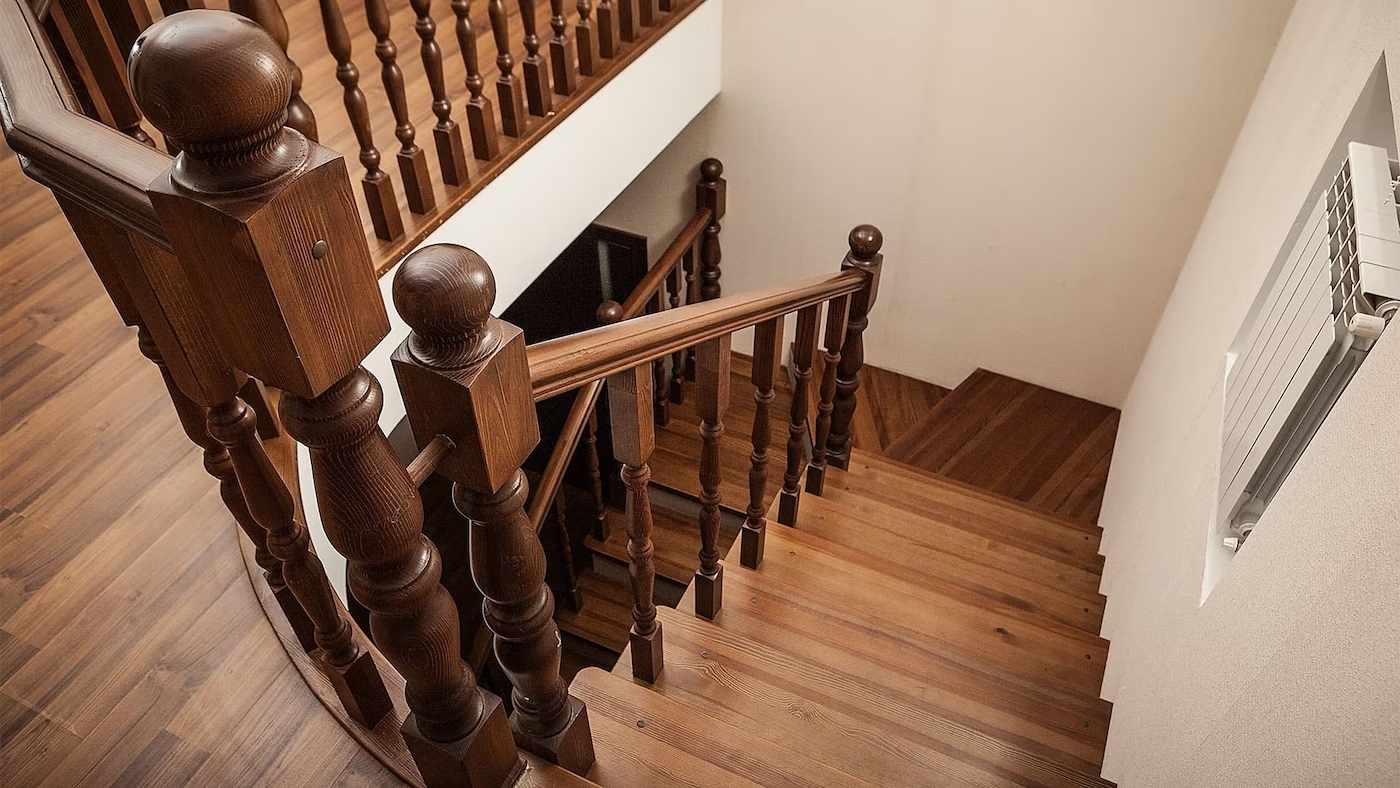
Is the varnish chosen for the wooden staircase? The next stage is preparing the surface for painting.
- Sanding wooden stairs will achieve the best results. This treatment allows you to very well prepare the surface for further stages. Moreover, thanks to sanding, the new paint coating will gain full resistance and durability. Of course, the surface can also be cleaned using another type of electric sander. Or even coarse sandpaper or sanding blocks. However, manual methods are very labor intensive due to the size of the surface and are imperfect in terms of results.
- We carefully vacuum the stairs to remove dust generated during sanding. If we notice deeper scratches or damage that we were unable to repair in the previous step, fill them with a special wood putty (follow the product manufacturer's recommendations).
- Now it's time to properly varnish the stairs. Let's make sure that the conditions inside are appropriate (i.e. from +10°C to +28°C and air humidity below 80%). And that we have the right tools (brushes made of soft artificial bristles).
- After sanding, first prime one coat of heavily used parquet varnish, rubbing it firmly into the wood. For the primer, choose a glossy varnish. For the top layers, a glossy or semi-matte option - depending on the desired effect. Vacquering wooden stairs, distributing the varnish in thin layers, evenly and along the grain. Do not allow the applied layer to dry until the work is completed at this stage.
- Before applying the next coat, no earlier than after 2 hours, lightly sand the surface with fine-grained sandpaper. To achieve the best effect we will need 2-3 layers of staircase varnish (not counting the primer layer).