Wooden flooring is a good choice! Which floorboards to choose so as not to regret it? And how to effectively protect it? Read about the properties of wooden floors and the best products for their care. Do wooden floorboards always mean quality, strength and durability? In most cases, yes. On the other hand, a lot depends on several factors: the type of wood and its natural properties, the quality of the boards and the chosen method of protecting the wooden surface.
What should you pay attention to when choosing a flooring board?
The following criteria are considered key:
- Hardness – Hardwoods are a very good solution for areas with high traffic levels or that are used very frequently by household members. On the other hand, for rooms that are used less frequently, such as the bedroom, you can choose softwood floorboards;
- aesthetics is a very individual criterion. You can choose from woods with subtle colors and delicate textures or from woods with rich colors. Remember that the choice of boards is also important. Distributors often offer parquet floors classified, for example, by the frequency of knots and the expression of the texture - so we buy boards, for example, with a small number of knots or those whose knots emphasize the uniqueness of the floor (usually called “rustic” or “country”);
- price is a criterion that often plays a decisive role. Wooden floors are not the cheapest solution, but the practicality of such a solution should be taken into account. If a hardwood floor is damaged or has minor scratches or scuffs, unlike paneling, it can be repaired. Of course, the repair possibilities and durability of the floor are determined, in particular, by the quality of the board and its thickness or the thickness of the natural wood layer. If costs are a priority, a good solution would be, for example, pine flooring or spruce flooring.
Which floorboard: exotic or domestic wood?
Both exotic and local wood species include species that are ideal for flooring.Wooden floors in the house:
Oak floor boards
Oak floorboards are very popular, primarily due to the availability of the material, but also due to its properties.- They are hard and heavy, and at the same time quite resistant to damage, including: abrasion, due to which they are used, among other things, in areas subject to intensive use, such as the hall or hall, or even the kitchen.
- They are also characterized by fairly high resistance to moisture, at least in comparison with floorboards made from domestic softwood.
- They are characterized by bright colors and have a very large number of shades.
- The characteristic texture and exposed knots also attract attention - thanks to them, oak floorboards look a little rustic, but fit into any interior.
Floorboards – ash
- Ash is hard, stable, difficult to split and flexible enough that, like oak, it is used, among other things, in the hall.
- It also convinces with its abrasion resistance. Especially in the case of the so-called thermal ash, that is, ash wood that has undergone heat treatment.
- Thanks to its slightly amber, warm color, ash parquet fits perfectly into a positive interior in a classic style. Ash can have a very delicate color: from yellowish to red.
Acacia boards
- Acacia wood flooring will be hard and resistant to moisture (so it can also be used outdoors), and at the same time stable and flexible.
- Expressive, dark, olive-brown color looks great in modern and elegant compositions.
- Users of acacia wood floors also note its subtle, sweet scent.
Pine floorboards
- Pine floor boards are much softer than oak, ash or acacia parquet. Thanks to this, pine wood has many uses - from parquet floors to furniture and wall paneling.
- However, this is a fairly budget solution, from which one cannot expect particular resistance to the effects of various negative factors.
- On the other hand, properly preserved and treated pine floorboard may surprise you with its durability.
- Unfortunately, it is not suitable for the kitchen or living room, i.e. rooms with intensive use, but in the bedroom it is quite suitable.
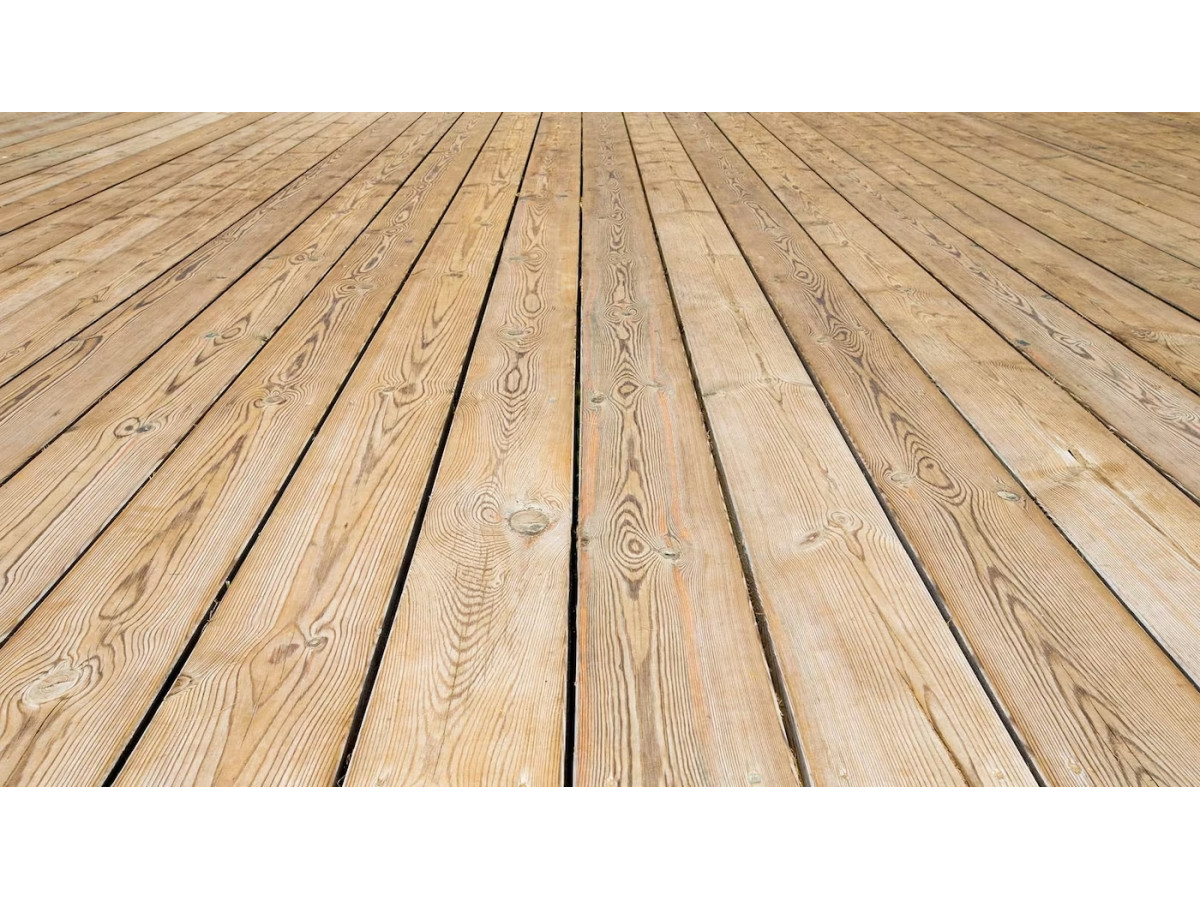
- It is characterized by a light color and a clear contrasting texture.
Exotic wood floors:
Mehrbau floorboards
Merbau floorboards came to us from Asia.- They are much harder, for example, oak, and at the same time resistant to abrasion and moisture.
- They conduct heat well, so they are suitable for installation in underfloor heating systems.
- Available in tan, red and spotted.
Teak wood floorboard
Teak wood is said to be one of the strongest woods in the world!- It is hard, does not absorb water and does not allow dirt to penetrate its structure for a long time. Therefore, it is readily used, including in bathrooms, but also outside, on terraces or balconies.
- Teak floors are quite dark, and become even darker and more refined with age. They add style to elegant compositions and allow you to create contrasts.
Bamboo floor
Bamboo floorboards can beat oak or ash floors in many ways.- It is very hard and stable, durable and resistant to damage.
- Ease of care also encourages you to buy it.
Which floorboard?
You should also consider what type of flooring will be most suitable. Wooden floors are divided not only by wood species or type (coniferous, deciduous), but also by design.- The boards are produced in a single-layer design (solid - made from one piece of wood)
- Glued, i.e. layered, consisting of several thinner layers.
Floor boards - how to protect them?
Of course, even the hardest and most durable wood species require adequate protection from the elements affecting the floor. Varnishes are ideal for this. They create a dense, durable and abrasion-resistant coating on the surface of the wood. It is worth contacting:- Standard parquet varnish. It is resistant to abrasion, gives an excellent decorative effect and has a low odor;
- Varnish for intensively used parquet. Provides wood protection for up to 10 years and is very resistant to scratches and damage. Thanks to this, it can be used not only in residential interiors, but also in sports and dance halls. In addition, it dries quickly and has a low odor.
- An alternative method of care is oiling (for example, oiled oak floors), which gives a very natural effect. It should be remembered that the treatment should be repeated once or twice a year to restore the protection of the wood. This can be quite a hassle.