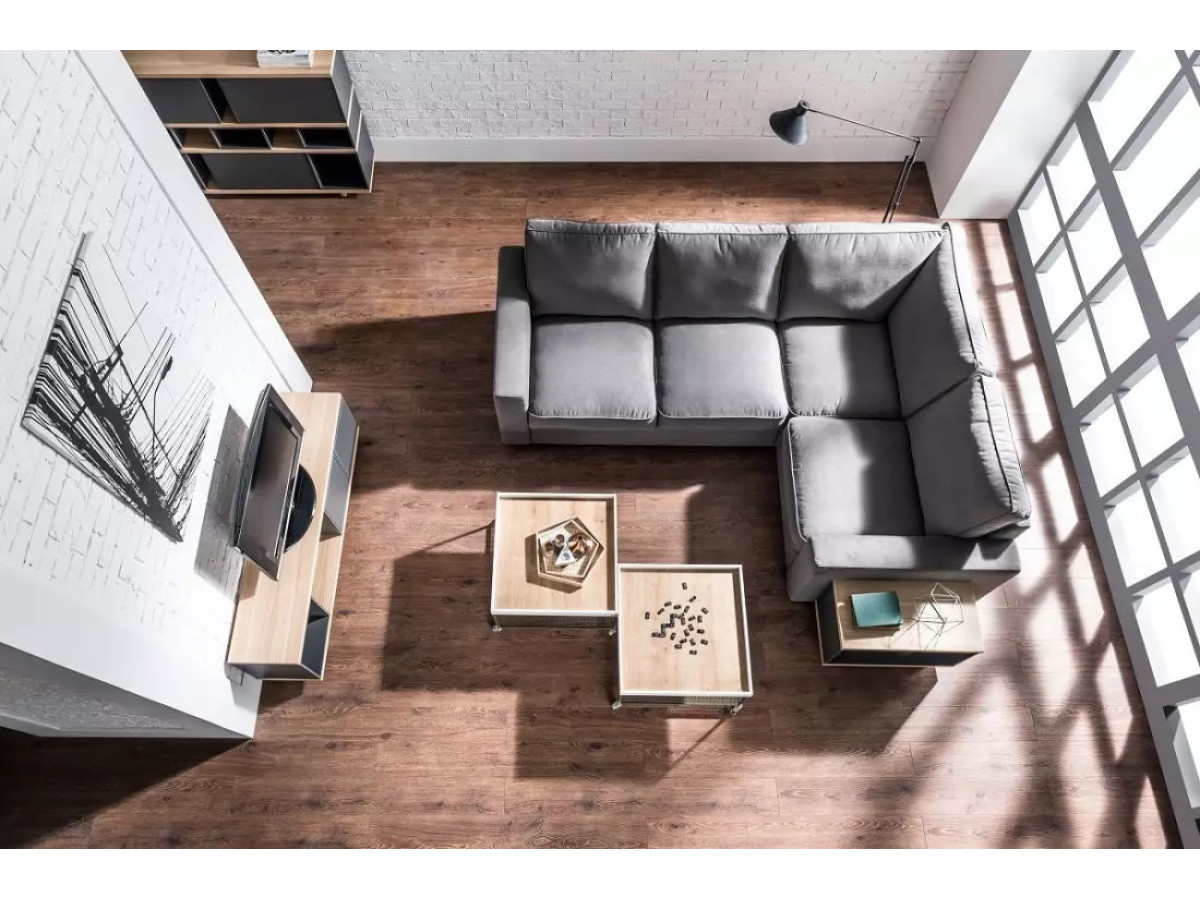
The living room, as the most important family and executive space, should have a spectacular and durable floor. It is customary to lay floor boards, parquet, stone or porcelain tiles, but recently modern panels, polished concrete and colored resins have been boldly used.
Wooden floors - types
1. Sandwich panels (wood panels)
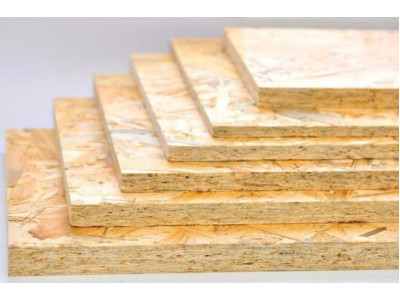
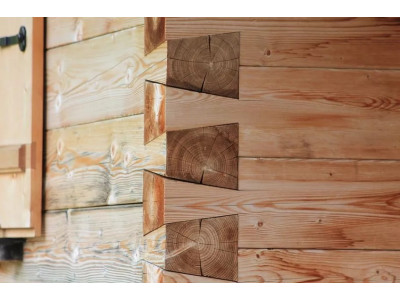
Wood in the form of boards is still widely used due to the naturalness and warmth of the material, as well as soundproofing the living room. This piece of equipment with its noble appearance creates a cozy atmosphere. A modern alternative to real solid wood panels are modern laminated veneer panels. This is due to the disadvantages of this type of floor: they creak, warp and wrinkle under the influence of changing humidity and temperature and require painting or oiling and maintenance, Each part (usually there are three) is made from natural raw materials. The core is made of softwood boards or solid wood boards, and the bottom is made of softwood or plywood.- The thicker and more resistant to abrasion and mechanical damage the top layer, the more durable the floor will be.
- On top, hard wood (oak, ash, exotic) with a thickness of 2-4 mm is suitable. After all, it can be sanded and another protective coating applied.
- The advantage of such panels is their industrial finishing with varnish, oil or wax. After arranging the elements, the floor is ready and immediately reliably protected.
- Another advantage is the variety of board sizes. They are available in widths of 10-38 cm and lengths up to 4 m.
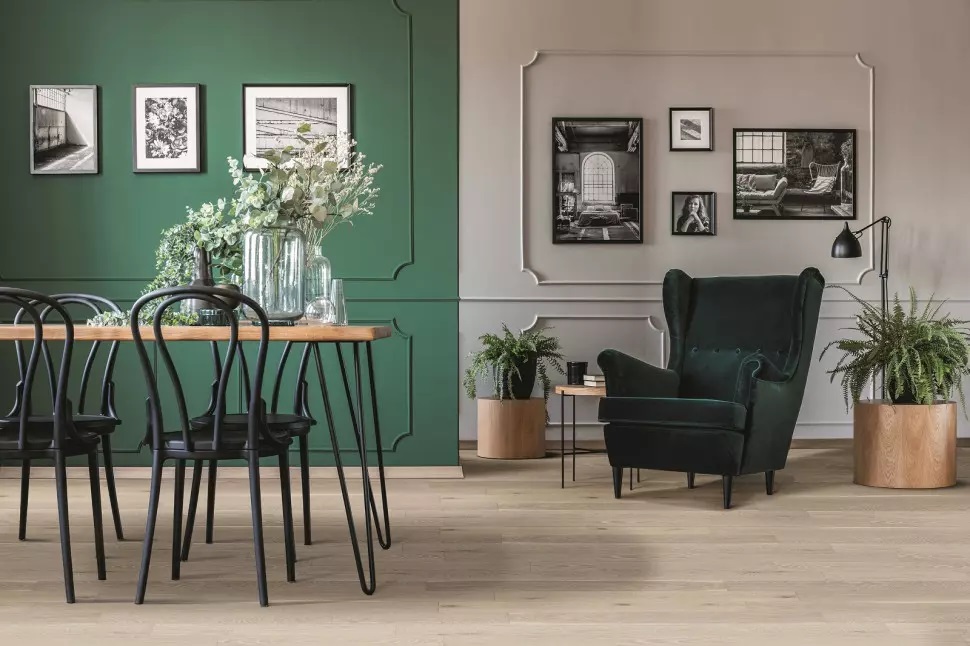
2. Parquet and mosaic
- Industrial parquet (on the edges) consists of narrow slats of solid wood 8-10 mm wide and 22 mm thick, arranged end-to-end (this structure increases the durability of the floor).
- Lamparquet is made of large and thin boards that do not have ridges and grooves and are joined end-to-end.
- Parquet mosaic (as the name suggests - small wooden elements) is glued onto the grid according to selected patterns, and in the living room the finished modules are combined to form larger surfaces.
Floors made of wood materials and plastics - types
1. Laminated panels
On top they have a decorative layer (laminate) of plastic or paper, imitating wood, stone, ceramics (and others). The basis of this material is a solid HDF or MDF board, and the lower part is laminate or reinforced paper. This structure makes the panels quite resistant to damage (for example, stains, dents, UV radiation) and easy to clean, but their upper part (laminate) cannot be sanded or renewed. Thanks to the last property, when choosing an option, it is necessary to take into account the class of practicality and abrasion. It is assumed that more durable elements of a class not lower than 22 AC2 will work well in a residential building, and on communication paths of classes from 23 AC3 to 33 AC5. Installation. Each investor can do this independently, using the “click” method, without the use of glue, sanding or varnishing. To soundproof steps on a floating floor, soundproofing mats should be placed under the panels.2. Vinyl planks
Currently they are rightly in the lead. Home owners and interior designers are increasingly using them. Because they are more durable and functional compared to popular laminates and wood products. They are more resistant to moisture, abrasion and mechanical damage (thanks to the flexible vinyl coating). Some modern versions contain an extremely durable solid core that conducts heat very well. For example, made from mountain minerals and modern polymers. Compared to laminated panels, they are also much quieter (absorbing the sound of footsteps thanks to the use of cork on the bottom), have a non-slip, antistatic surface and are more pleasant on the feet, which can also be repaired by applying a polyurethane or polymer-acrylic coating. These products have the largest number of patterns and colors. The top layer (that is, the decor) imitates any raw material in the smallest detail. Installation. With a click, like a so-called floating floor, without gluing to the base. Due to the small thickness of the panels (3 mm, 4.5 mm or 6 mm), the subfloor must be level, level and smooth.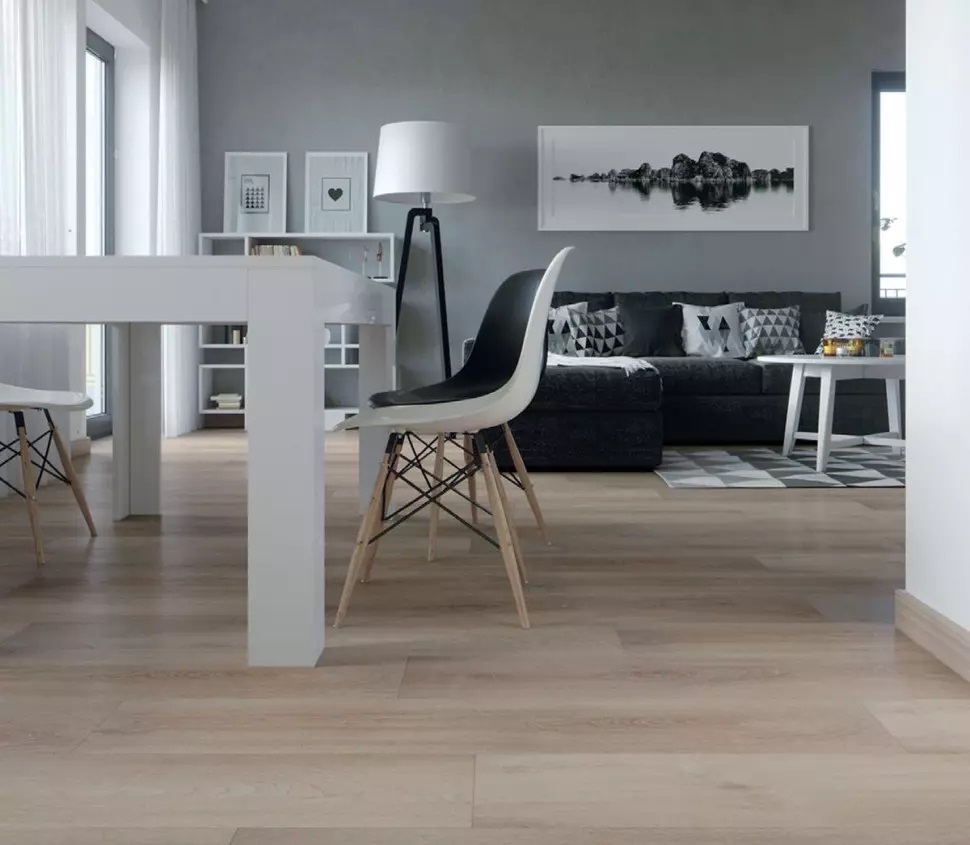
Stone and ceramic floors - characteristics
Concrete floors - characteristics
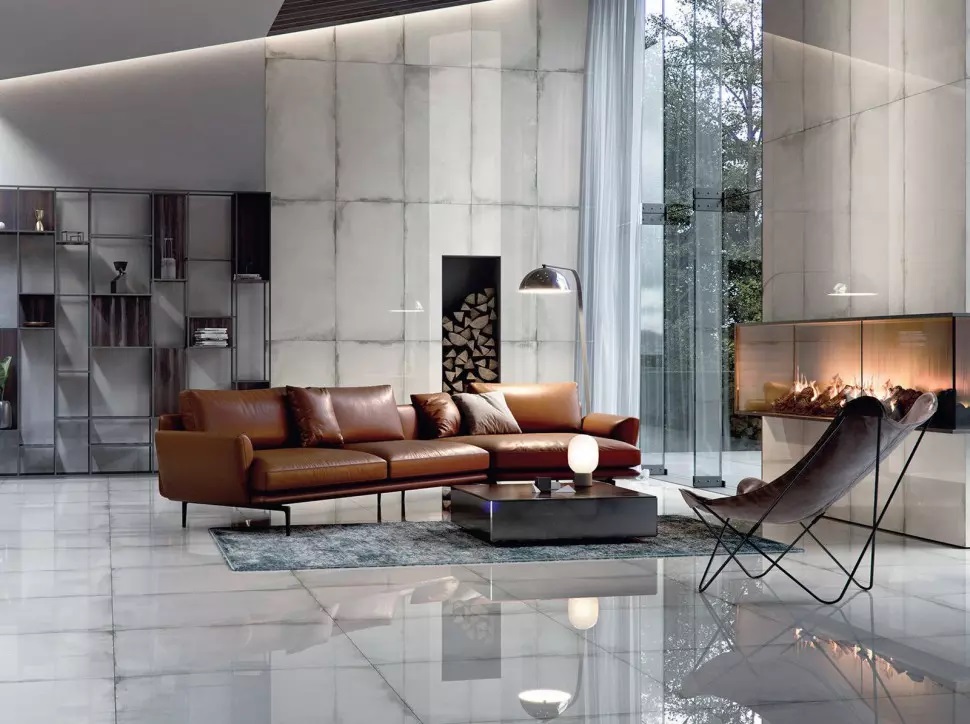
Sanded and polished concrete is durable and easy to clean. It is possible to give the surface a uniform color or a color corresponding to the aggregate used. It is also possible to obtain varying degrees of gloss (from matte to even mirror-like). The material is resistant to abrasion, chemicals and UV radiation thanks to impregnating (hardening) and polishing agents. Execution. A professional team, with specialized materials and tools (including a grinding machine with various discs), can make the floor in the form of a thin-layer concrete screed 8-15 mm thick. In another option, he uses a special mass, which is laid 2-3 mm thick on existing concrete, porcelain stoneware slabs, etc. In another option, he applies special preparations onto an existing or completely new batch of concrete and polishes it by machine.Floor underlay - types and designs
The floor is just the decorative top of a multi-layer structure (created on the ground and on the ceiling of the building). Usually, long before the assembly of elements begins, the layer directly in contact with them, that is, the primer, is correctly prepared. This base needs to be properly leveled, but if thin decking materials are planned on top of it, it must be fairly smooth.- The poured base (screed) is laid out wet from concrete or ready-made anhydride-cement mortars. In terms of thermal and sound insulation, the thickness is at least 3.5 cm. If it includes a heated floor system, then it is thicker and contains an admixture of so-called plasticizers. This base is made in the form of a floating base. It is separated from the walls and structural elements of the building by insulating tape.
- Prefabricated base (dry screed) is made of chipboard, plasterboard, gypsum fiber and anhydrite boards. It is especially suitable for wooden ceilings because it is lightweight.
- Gypsum fiber lining can be purchased with factory-glued layers of noise- or thermal insulation. The boards have profiled edges (tongue and groove or overlap), which facilitates and speeds up installation work.
Attention! The base should be kept until the required humidity is achieved. For example, the moisture content of a cement screed cannot exceed 2%, and that of a gypsum screed - 0.5%).