
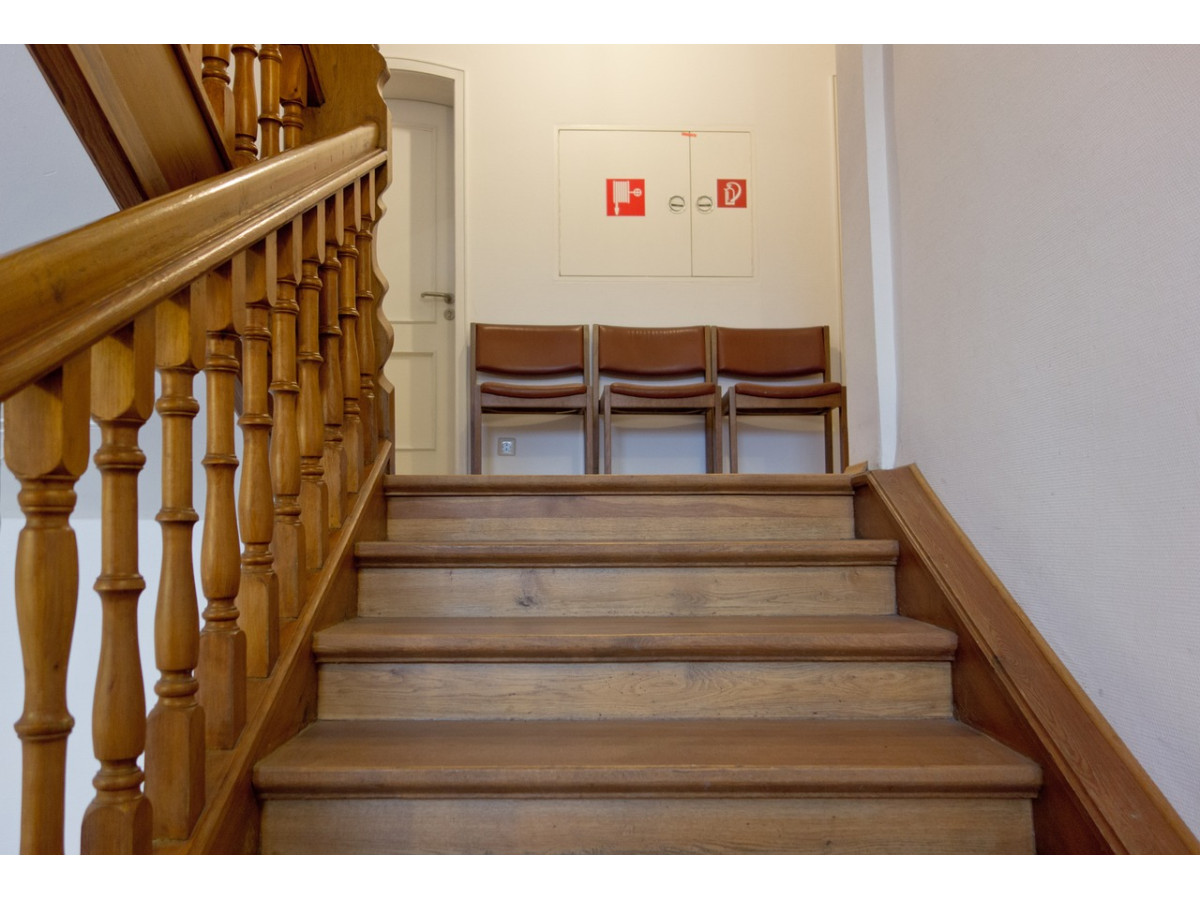
The staircase provides a connection between the different parts of our apartment. They lead to the floors, mezzanine, attic or loft. Frequent use requires the use of appropriate raw materials. Most often we choose wood, but it is worth knowing which species are suitable for stairs and which are not suitable for this function. What wood to choose for indoor, outdoor and concrete stairs so that it is not only stylish, but also safe?
Which wood to choose for interior stairs?
The wooden staircase inside the house gives the room a warm and family character. However, it is enough to combine wood with a small amount of glass and metal. And they will look modern and exclusive. The wood arrangement possibilities are almost endless! If the design has a complex shape, even if placed in the heart of the living room, it will become its greatest decoration. In the case of internal stairs, aesthetic values are important, as well as durability, safety and practicality of their use.
There is an opinion that internal stairs can be made from any type of wood, because their durability and strength will depend on the varnish and the finishing method. It cannot be denied that the right varnish can work wonders, but there are several extremely important rules that should be followed when choosing wood. First of all, hardness and abrasion resistance are important, and the main rule is one - the more often the staircase is used, the more You should choose a harder type of wood.
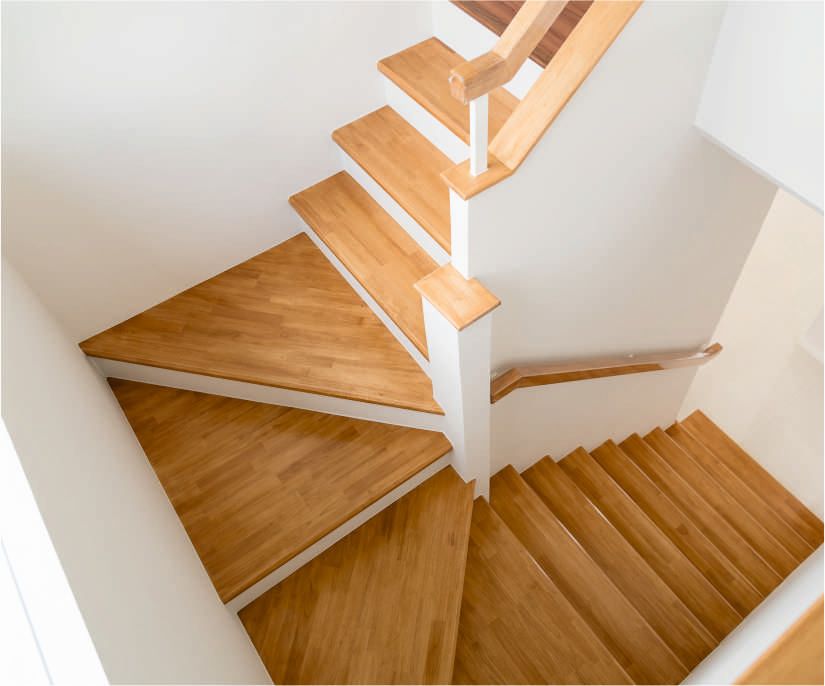
Does hardness of wood really matter for interior stairs?
Yes, hardness is one of the most important parameters, especially if we choose wood for stairs in a frequently visited place. No species should be used for the construction of the structure, as it must be strong, durable and very resistant to abrasion. Traces of use must remain invisible for as long as possible, despite intensive use and the possibility of mechanical damage. For the manufacture of internal stairs Hard wood is most suitable, because soft wood, even reinforced with the best varnish, will never achieve such strength. In typical single-family houses, the following are suitable for stairs: oak, ash, maple, beech or elm.
- Oak and maple – if we care about durability and strength, oak or maple will be a good solution. They are characterized by the best parameters for internal stairs in houses, apartments, offices and public buildings. Our offer includes wooden stairs and laminated oak.
- Ash. Ash stairs are also suitable for the home, as it is a hard and very abrasion-resistant wood. Pay attention to the steps made of solid wood and laminated ash.
- Beech. When choosing a beech staircase, we must be prepared for the higher cost of varnishes and preservatives, since it requires special products designed for this type. Check beech lumber and beech laminated wood.
- Exotic wood. Exotic species that are not found in Ukraine are also suitable, such as: jatoba, wenge, mahogany, dussi, sapelli, kumaru, merbau, massaranduba, teak, iroko, meranti, ipe, bangkirai and denia. However, in addition to durability, they are also distinguished by a higher price than the previously mentioned species.
Which wood to use for concrete stairs?
In the case of a concrete staircase, there are more options. To finish a concrete staircase, we can use many types of wood, so when choosing, it is worth considering not only aesthetics, but also the cost of maintenance and upkeep. In apartments and private houses, the most common concrete stairs are finished with oak, beech and ash wood. However, there are people who choose less popular species, such as walnut, cherry, birch, pine and exotic woods. They all have their pros and cons.
- Oak, beech and ash - these are the most popular types of wood for interior and concrete stairs. The favorite, of course, is oak, which is characterized by the greatest durability and strength. Oak wood is very resistant to abrasion and any mechanical damage, which directly affects durability and quality. However, it should be remembered that durability and resistance steps depend not only on the wood, but also on proper care and the use of appropriate varnishes and preservatives. This is especially important in the case of beech stairs, since they require the use of special varnishes. Our offer includes steps made of solid wood and wooden countertops.
- Walnut – stairs made from walnut wood are becoming increasingly popular and are being chosen more often. Walnut is a species that is hard enough to be used as a finishing material for concrete stairs at home, but its service life is relatively short. Stairs will require special care and more frequent maintenance than stairs made of oak or ash.
- Cherry, birch and pine – cherry, birch and pine wood is relatively fragile, soft and susceptible to damage. However, they are used for finishing concrete stairs, mainly due to their low price and easy availability. However, it is worth remembering that each of them, like walnut, requires frequent maintenance and varnishing, and this means higher maintenance costs and more frequent communication difficulties at home.
- Maple – if we care about durability, very high hardness and long service life, maple wood will be an excellent choice! Maple is highly resistant to abrasion and any mechanical damage, does not require frequent maintenance, therefore, like oak, it is the best among all types of wood. Moreover, maple comes in different varieties, so we can easily choose the appropriate shade for the stairs to apartment interior design.
- Exotic wood - the hardness of exotic species varies greatly. One of the most frequently chosen types of wood for home use is Merbau wood, hard and resistant to abrasion. It is worth considering your choice, because domestic oak will perform its functions no worse than exotic lumber. Check out the offer of exotic wood wood
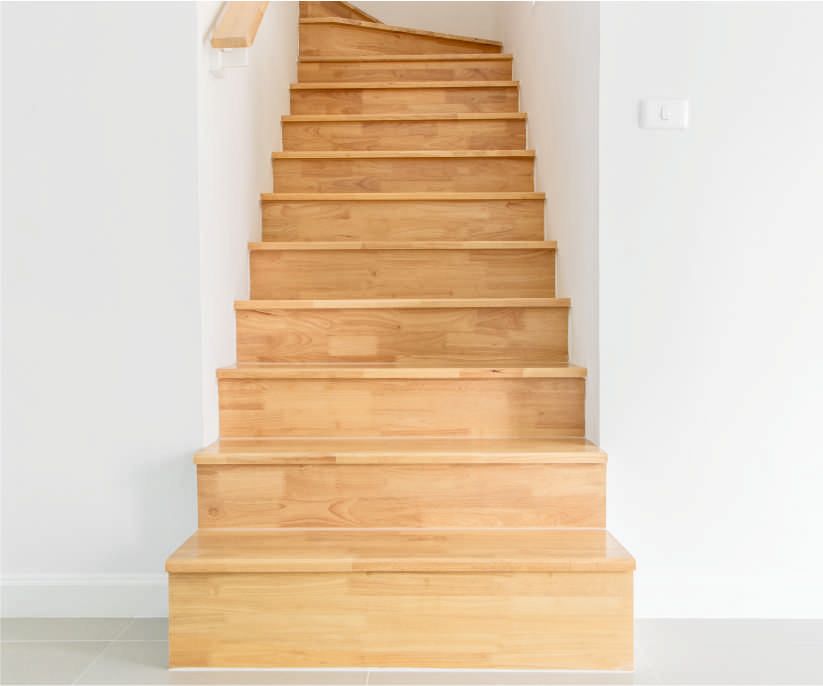
Wood for outdoor stairs - which one to choose?
Exterior stairs are subject to heavy traffic, frequent use, and are exposed to dirt and direct weather conditions. For this reason, exterior stairs require the use of the hardest and most resistant wood species. The most common choices are exceptionally hard and durable oak, ash, or exotic species such as ebony, mahogany, and wenge. Beech wood, although excellent, but it is not recommended to use it for external stairs - it has too low resistance to moisture.
In the case of external stairs, you should especially avoid soft coniferous wood, such as the very popular pine, as well as deciduous birch. Wood of both species is extremely sensitive to moisture, which will be in excess outside. Exposure to excess moisture, birch and pine can swell, warp and ""swell"", leading to deterioration staircase structure. For this reason, birch and pine wood is not recommended for outdoor stairs that are often used, as well as in rooms exposed to moisture, such as garages and basements.
Outdoor stairs have to cope with capricious weather and extreme weather conditions. They are no strangers to year-round rain and snowfall, severe frosts and heat pouring from the sky! Moreover, every day we climb their steps many times, carrying sand, dirt and other pollutants on our soles substances. To avoid rapid wear or damage to the stairs, it is necessary to thoroughly saturate the wood with a product that penetrates deeply into its structure and cover it with a layer of oil or wax, which further strengthens the wooden surface.
If before purchasing wood for an interior, exterior or concrete staircase you are wondering which elements to build with the best quality wood, the answer is simple - remember that the most important thing is the safety of the structure, so choose only the hardest and best. types for its construction!