
Hundreds of wood species, different types and a wide range of applications. Find out expert advice on common wood species and the best methods for caring for them.
Do you know how to recognize the type of wood, teak from mahogany, pine from oak? Here's a guide to the most popular wood species. Each of them is a completely different material, with its own characteristics and different care needs.
Main wood species - hard and soft:
- coniferous
Soft woodsare easy to work with and therefore have universal applications. Softwood is obtained mainly from coniferous trees such as pine, fir, spruce, but there are also hardwoods such as poplar or linden. These trees grow quite quickly and are found in our latitudes - hence their easy availability and relatively low price. Soft wood is also easy to work with.
- hardwood
They belong predominantly to deciduous species - they come from broad-leaved trees that periodically shed their leaves. These include oak, walnut, mahogany and ash. Hardwoodcan also be classified according to its degree of hardness. Thus, oak and walnut are classified as medium-hard wood, ash or teak are considered hard, and hornbeam is very hard. One of the hardest species is ebony. They all grow rather slowly, which is why hardwoods are more expensive than softwoods, and the price of exotic wood is higher than that of European wood.
Wood speciessuch as teak and jatoba are also hard. They are more resistant to fungi and insects than non-tropical woods and are resistant to damage and moisture, so many can be used in bathrooms or outdoors, for example.
Wood species their use
Types of woodcan be classified not only by hardness:
- deciduousand coniferous species;
- exotic woodsand European or local woods.
Soft wood - examples
Pine
Pine is probably most easily recognized by its light color and dark, tightly twisted grain. It is a temperate softwood from the northern hemisphere, and its versatility makes it a popular material for a variety of purposes.
Uses: Pine is mainly used for wooden structures such as roofs. It is also used for interior furniture, flooring and wall cladding.
Spruce
Spruce is a very light wood with delicate, straight grain and a fine to medium grain. It often has a medium density, less than pine, and is therefore exceptionally easy to work with.
Uses:Spruce is commonly used as a structural wood in interior and exterior structures. It is also used as a material for decorative plywood or veneer. Spruce is sometimes used for the production of flooring boards, but most often for the production of furniture.
Hardwoods - examples
Tick
This is a strong, durable and extremely hard tropical wood. It has a very high content of natural oils, which makes it extremely resistant to water and moisture. Ideal for the production of garden furniture and terrace boards. Exposure to weather conditions may cause teak to fade and turn slightly grey.
Uses:Teak is often used for indoor and outdoor furniture, outdoor decking, indoor flooring and countertops. Teak furniture is especially popular.
Mahogany
Mahogany is a tropical wood valued for its durability, color and beauty of texture. We usually associate it with a very red color, but natural mahogany is a pink-brown color.
Application: Mahogany is a noble species of wood. It is usually used for the production of decorated furniture and interior panels.
Oak
This European wood can be recognized by its slightly golden color with straight grain and irregular grain. It is a different color than most other hardwoods, has fewer knots and is denser than softwoods such as pine. It is hard, durable and resistant to moisture.
Application: The strength of oak wood makes it suitable for a wide variety of applications, from countertops and countertops to flooring and frame house construction.
Types of wood and applications
As you can see, most wood specieshave a very wide range of applications, i.e. suitable for the production of structural elements, decking and floorboards, indoor and outdoor furniture, doors, etc. In fact, it is difficult to say what the typical types of furniture woodusedfor a specific, single purpose.
Types of wood and their care
Remember that every time you purchase a product for impregnation, painting, varnishing or oiling wood, make sure that it is approved for use on this type of wood. This information can be found in the product data sheet. If you follow fairly general recommendations, you can assume that the product is suitable for preserving any type of wood. Otherwise, the manufacturer notes that this stain is not recommended, for example, for painting wood with a high tannin content, such as oak or exotic species.
How to recognize the type of wood?
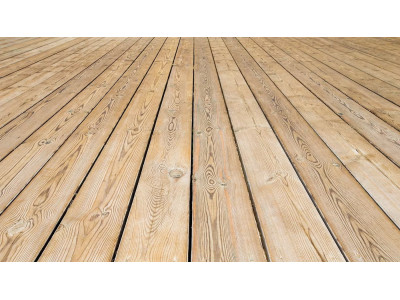
Each wood specieshas its own characteristic texture pattern: in some it is less pronounced, in others it is more pronounced. Moreover, color can tell a lot about a tree. An example of this isa noble type of wood – mahogany. Exotic wood speciesare quite characteristic - here the texture is less noticeable, and interesting color changes, changes in color intensity, etc. attract attention.
Identifying wood speciesis a skill that can be very useful, but is rarely useful. It is much more practical to know how to choose a product to protect a particular type of wood. Fortunately, all the information you need can be found on the product label or data sheet.